


Mount the dash cam behind the rearview mirror, centered and just below the mirror's top edge.
I’ve installed and tested dash cams on many cars. I know the challenges of glare, wiring, and sightlines. This guide explains the best place to put dash cam on windshield with clear steps, real tips, and safety checks. Read on to find the ideal spot, how to mount it cleanly, and what to avoid so your footage is solid and your view stays clear.

Why placement matters for a dash cam
Where you put a dash cam on the windshield changes what the camera sees and how safe it is to drive. A bad spot blocks your view or gives messy footage. A good spot captures lanes, plates, and incidents without distracting you. I’ll walk you through why the best place to put dash cam on windshield matters for clarity, safety, and legal use.

Best place to put dash cam on windshield: Exact spots and why
Below are the main spots I use and recommend. Each spot has a clear tradeoff. Pick the one that fits your car, camera size, and local laws.
- Behind the rearview mirror, centered and slightly below the mirror’s top edge. This is the top pick for balance between view and discretion.
- Top center of the windshield, behind the mirror but lowered enough to avoid dome light glare. This captures both lanes well.
- Passenger-side upper corner, if you need to avoid the mirror or a sensor cluster. This is good for dual-cam setups.
- Lower corner near the passenger A-pillar for specialty installs, but check sightline limits and dashboard reflection.
Placing a dash cam near the mirror keeps it out of sight and captures a wide field. It also reduces wiring runs to the headliner. If your windshield has sensors or heating lines, position the cam to avoid interference. These choices reflect what I’ve used across sedans, trucks, and SUVs.
How to mount a dash cam on the windshield: Step-by-step
Follow these steps for a clean, safe install of the best place to put dash cam on windshield.
- Clean the glass where the mount will sit with alcohol. Let it dry fully.
- Test-fit the camera behind the mirror. Check for blind spots from your seat.
- Run the cable along the headliner, down the A-pillar, and tuck it under trim toward the fuse box or power source.
- Use the manufacturer’s adhesive or a suction mount. Press firmly and wait the recommended cure time.
- Power on and adjust the angle so the horizon sits about one-third down in frame. Check that license plates and lane markers are visible.
I once mounted a cam too low. It caught the dashboard more than the road. Repositioning behind the mirror solved it. Small tweaks to angle and height make a big difference.

Legal and safety considerations for windshield placement
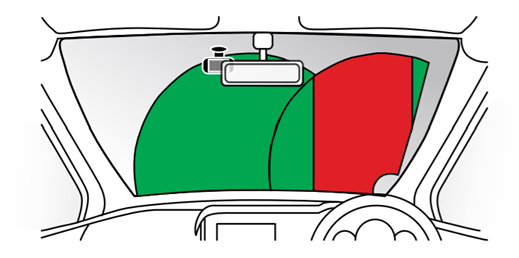
Laws on windshield mounts vary. Some places ban obstructing the driver’s clear view. Always confirm local rules before final mounting. If a law limits placement, the best place to put dash cam on windshield may be slightly lower or off to the side. Keep the camera small and behind the mirror when possible.
Also check these safety points:
- Avoid blocking sensors, cameras, or airbags.
- Place the camera so it won’t fall if bumped.
- Use wiring paths that don’t interfere with airbag deployment.
If in doubt, mount lower or closer to the passenger side, then check legality and sightlines.
Common mistakes to avoid when placing your dash cam on the windshield
Many drivers make easy-to-fix errors. I made some of these too, and learned fast.
- Mounting too low so the dash blocks the view.
- Pointing the camera at the dash, not the road.
- Not checking for windshield heating lines or sensor clusters.
- Using a weak adhesive that lets the camera droop in hot weather.
- Running the cable where it interferes with airbags or vision.
Avoid these and your footage will be useful when you need it. Always recheck the view after a few drives.
Maintenance and testing tips after mounting
A mounted camera needs checks. I test mine after every long trip.
- Inspect the mount and adhesive monthly for peeling or looseness.
- Clean the windshield spot to prevent smudges that blur video.
- Re-angle if glare appears at certain times of day.
- Update firmware and check recording settings regularly.
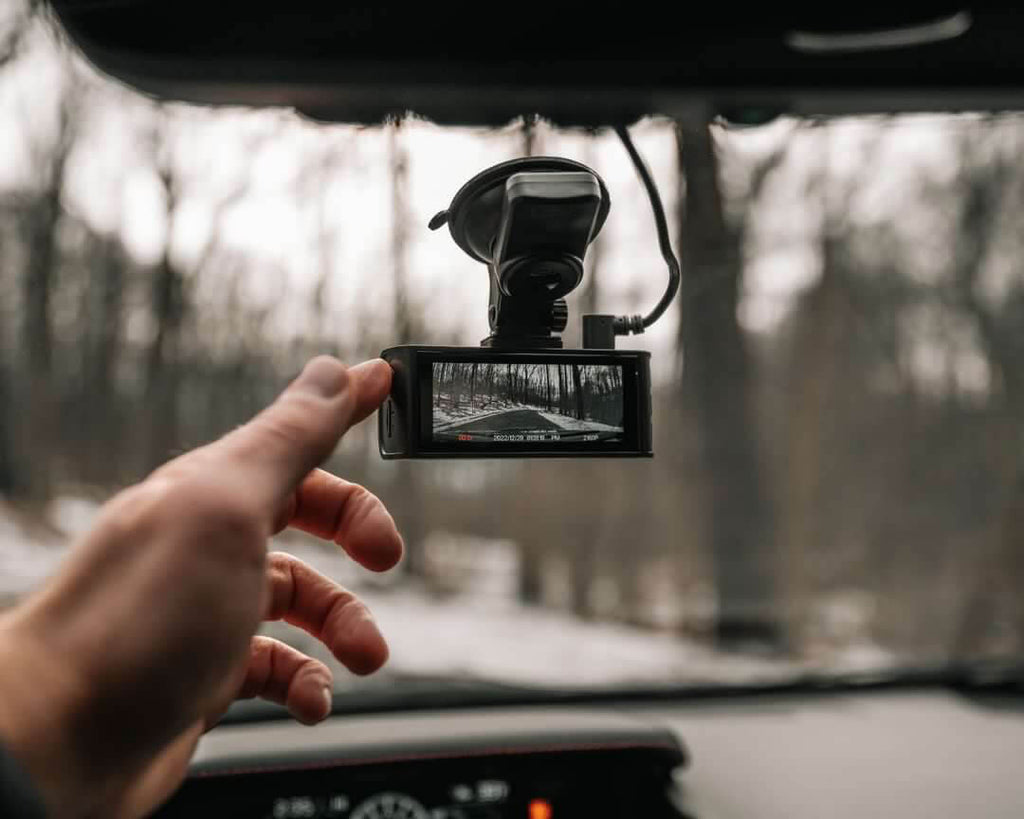
A quick test drive after mounting confirms the best place to put dash cam on windshield is working for day and night use. I run a 1-minute clip and play it back to confirm plate legibility and angle.

Frequently Asked Questions of best place to put dash cam on windshield
Where exactly is the safest place to mount a dash cam on the windshield?
The safest spot is behind the rearview mirror, just below it and centered. This keeps the camera out of sight and avoids blocking the driver's view.
Will mounting behind the rearview mirror block my view or sensors?
If you position it correctly, no. Keep it low enough under the mirror and away from sensor clusters to avoid obstruction.
Can I use a suction mount instead of adhesive for windshield placement?
Yes, suction mounts work and are easy to move, but adhesive mounts usually hold better in hot or cold weather. Choose based on how permanent you want the install.
Does windshield tint or heating lines affect dash cam footage?
Tint and heating lines can cause glare or distortion. Move the camera a few inches to avoid thick heating lines and test in bright light.
How high should the horizon be in my dash cam frame?
Aim to place the horizon about one-third down from the top of the frame. This helps capture license plates and road details.
Conclusion
Placing a dash cam behind the rearview mirror, centered and just below the mirror, gives the best mix of coverage, safety, and discretion. Test the angle, secure the mount, and follow local rules to keep your view clear and your footage useful. Try the steps here on your next install and adjust if needed. If this helped, leave a comment with your car model or subscribe for more practical camera tips.

