

Yes — in most places you can submit dash cam footage to police for investigations.
I’ve worked with drivers, insurance reps, and a few local officers to learn how dash cam footage helps solve crashes and crimes. This guide covers when and how to share video, what police usually want, legal pitfalls, and practical tips from real-world experience. Read on to learn clear, simple steps so your dash cam evidence can be useful and accepted.
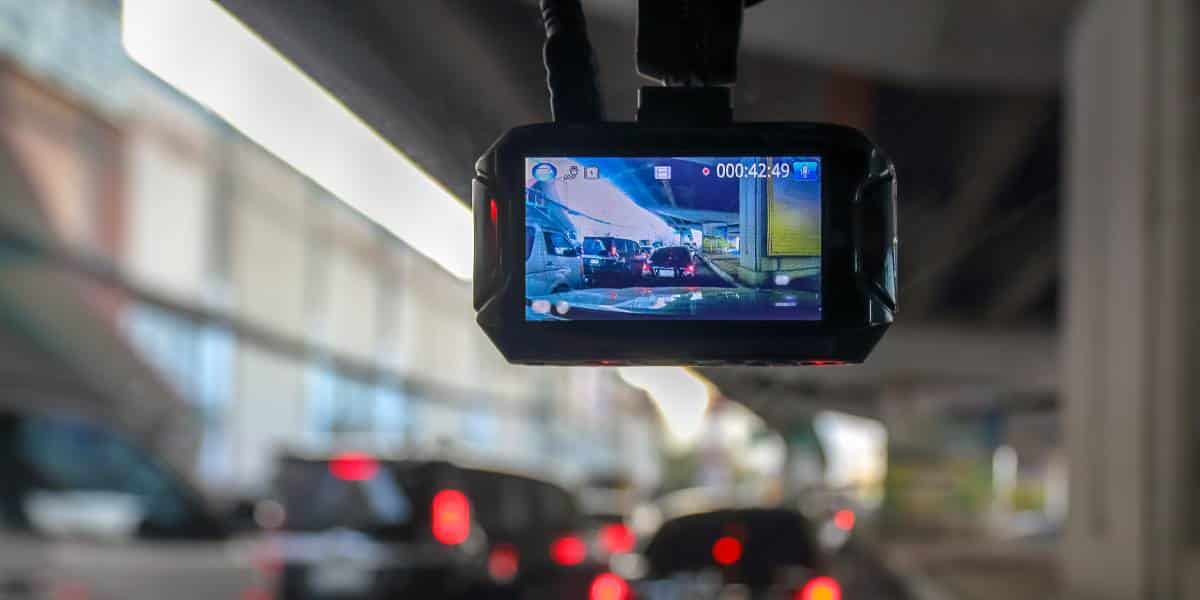
Why people submit dash cam footage to police
Many people ask “an you submit dash cam footage to police” after a crash or incident. Dash cam clips can show what really happened. Police can use them as evidence to corroborate witness statements and determine fault. Knowing how and when to submit improves the chance your video helps.
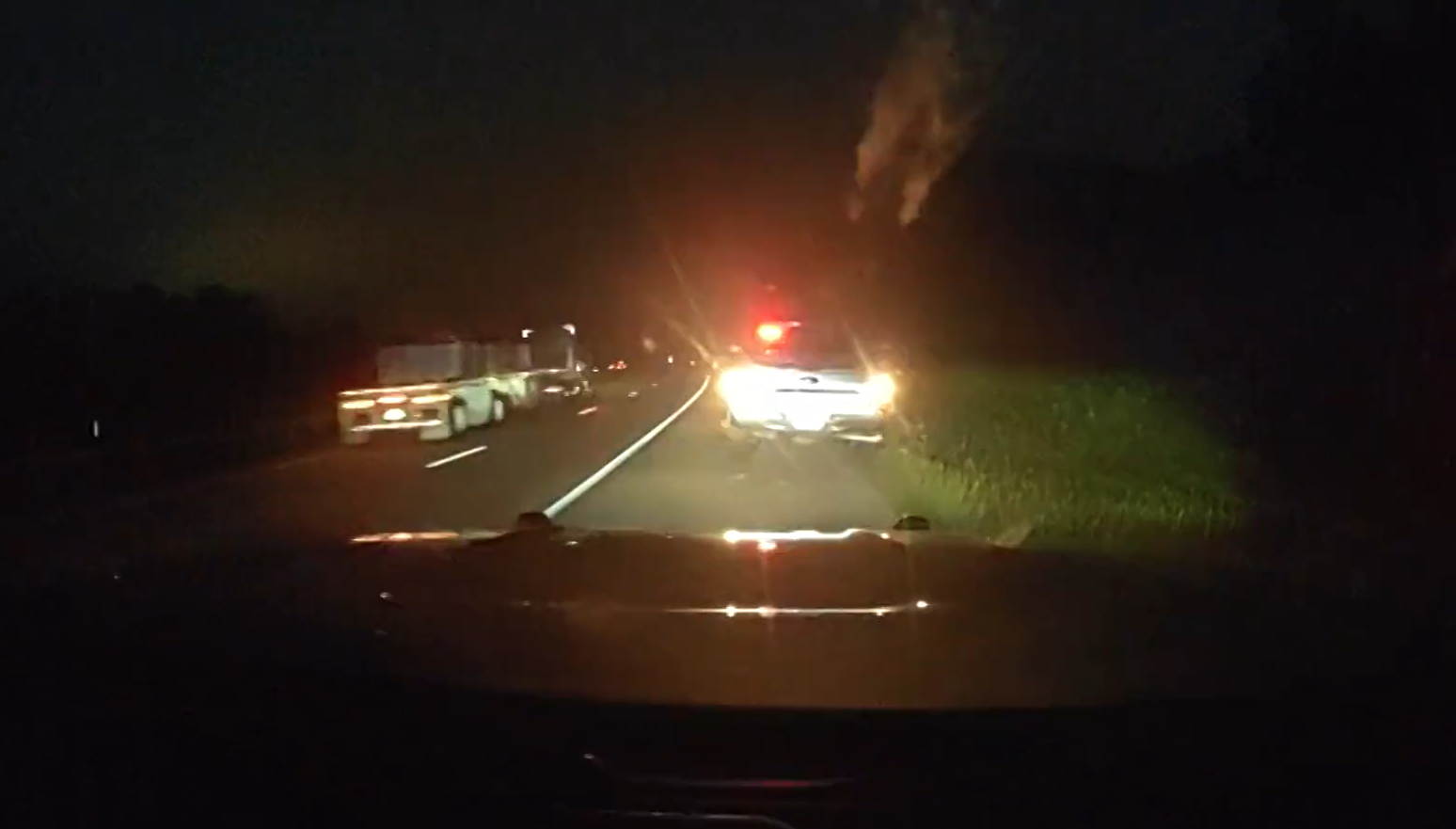
How to submit dash cam footage to police: step-by-step
If you wonder “an you submit dash cam footage to police” the short path is to contact the department handling the case. Follow these steps to make submission smooth and useful.
Identify the right agency.
Call the non-emergency number of the police department where the incident occurred. Ask if they accept civilian video evidence and how they prefer to receive it.Preserve the original file.
Save the raw file. Do not re-record from a screen or compress repeatedly. Original timestamps and file metadata matter.Note key details.
Record the date, time, location, and a short description. Give the officer your contact info and any case or report number.Deliver the footage.
Many departments accept USB drives, secure upload links, or email attachments. Follow their preferred method and get a receipt or confirmation.Follow up.
Ask how the video will be handled and whether you’ll be contacted. Keep a copy until the case is resolved.
These steps reflect what I’ve done when helping friends submit footage. Staying calm and organized helps police use your video quickly.

Legal and privacy issues to know
People often search “an you submit dash cam footage to police” while worrying about privacy. Laws vary by state and locality. Generally, recording in public or from your vehicle is legal in most places. However, there are a few limits: Understanding the dash cam footage legal implications is crucial before sharing recordings with law enforcement. Different jurisdictions may have specific rules regarding consent and the use of such footage as evidence. It’s important to be aware of these regulations to ensure that you are fully compliant and protect your own rights. These limitations can be important to consider, especially when evaluating the legal implications of dash cam footage. For instance, how the footage is obtained and shared might affect its admissibility in court. Additionally, individuals should be aware of potential privacy violations if recording occurs in sensitive situations.
- Audio recording rules differ. Some states require consent for recording private conversations.
- Private property cameras may trigger expectations of privacy.
- Police may retain evidence following local retention policies.
If your video captures a private conversation, check your state’s wiretapping laws or ask the department how they handle audio. When in doubt, provide the footage to police and let them advise. I once kept both video and a separate written note about what I witnessed; that helped clarify context without sharing sensitive audio.
Practical tips for recording and preserving footage
Asking “an you submit dash cam footage to police” is smart only if the footage is usable. Use these simple tips to make your recording helpful.
- Keep your dash cam set to high resolution but manageable file sizes.
- Enable timestamp and GPS overlays if available.
- Regularly back up files to cloud or external drive.
- When an incident happens, stop the car when safe and note the file name.
- Avoid editing the original file. Create a copy if you need to trim for sharing.
In one case I helped with, the GPS overlay made the difference. Police matched the location to traffic camera data. Small details like that boost the value of your footage.
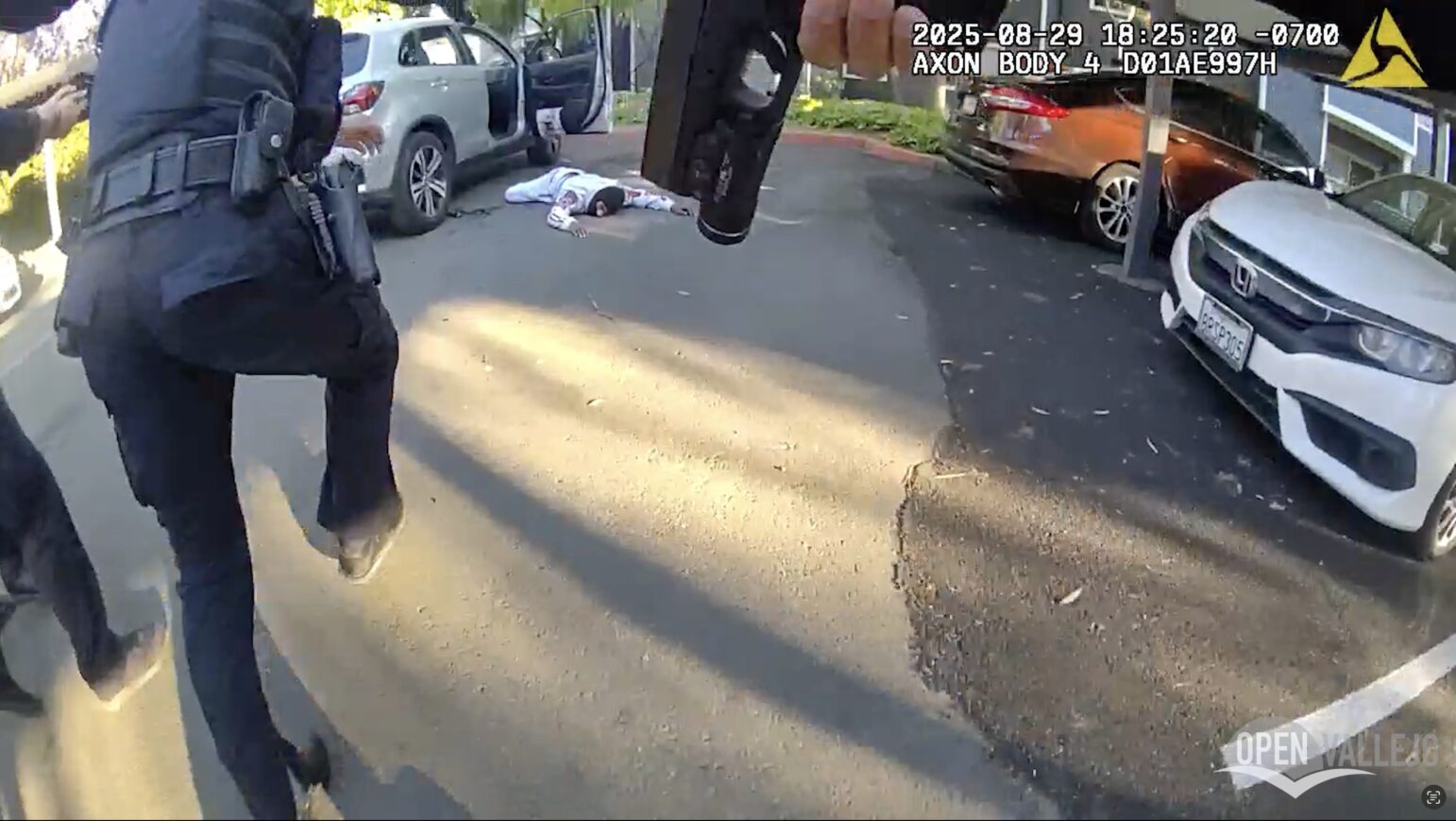
What to expect after you submit footage
If you asked “an you submit dash cam footage to police” and did submit, expect some follow-up. Police may log the footage and attach it to a report. Timeline and action depend on the incident’s seriousness.
- You may receive confirmation and a case number.
- Officers might request a statement or additional footage.
- Evidence can be used in investigations, insurance claims, or court if needed.
- Departments usually cannot promise immediate action just because you submit video.
Be patient and keep your original files safe. I once waited several weeks for an update after handing over evidence. Calling politely for a status update helped move things along.
Frequently Asked Questions of an you submit dash cam footage to police
Can I submit dash cam footage if I wasn’t involved in the crash?
Yes. Many departments welcome third-party footage. Provide a short description and contact info to make the clip easy to file.
Will police take my video immediately into evidence?
Police typically log civilian video and decide if it’s relevant. It may be treated as evidence if it helps the investigation.
Do I need to worry about my privacy when I submit footage?
Generally no, but audio laws vary. Ask the department how they handle recordings and whether they redact private details.
Can I be forced to give my dash cam footage to police?
In some cases, a court order or subpoena can compel you to provide files. Voluntary submission is different from legal mandates.
Should I edit the video before sending it?
No. Keep the original file intact. Make a copy if you need to trim or blur parts for public sharing.
Conclusion
Most people can and should share dash cam clips when those clips can help solve a crash or crime. Keep original files, follow the police department’s submission steps, and be mindful of local audio and privacy rules. Take action: back up your footage, learn your local submission process, and prepare to share evidence that could protect you or others. If this helped, leave a comment or subscribe for more practical tips on using dash cams and handling evidence. In addition to sharing dash cam footage of crime events, consider joining community groups that focus on road safety and crime prevention. These platforms can provide valuable information on what types of footage are most helpful and how others have successfully contributed to their local law enforcement efforts. Engaging with your community not only empowers you but also fosters a culture of safety and accountability.

