


A car battery can typically run a dash cam for 6–24 hours depending on draw, battery health, and power cut settings.
I’ve wired and tested dash cams for years, and I’ll walk you through exactly how long can car battery run a dash cam. You’ll get clear calculations, real-world examples, and simple steps to protect your battery. I explain power draw, battery capacity, parking mode options, and the smart settings that keep your car starting every morning. Read on to learn how long can car battery run a dash cam and which setup fits your needs.
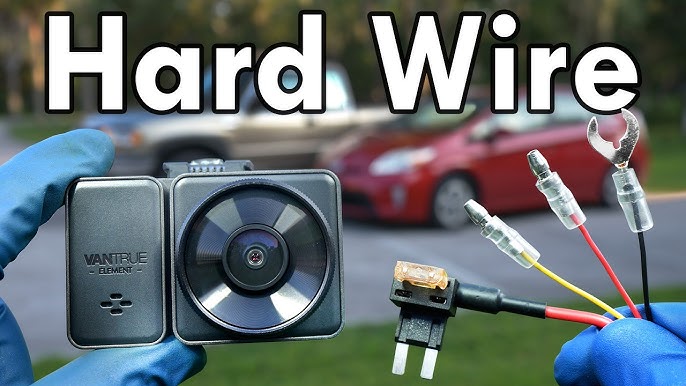
How dash cams draw power
Dash cams pull current whenever they are on. While driving, many get power from the accessory circuit and draw little extra load. In parking mode, the camera may record continuously or only on motion, and that raises power use. Knowing how long can car battery run a dash cam starts with knowing the camera’s amp draw and how the camera behaves when parked.
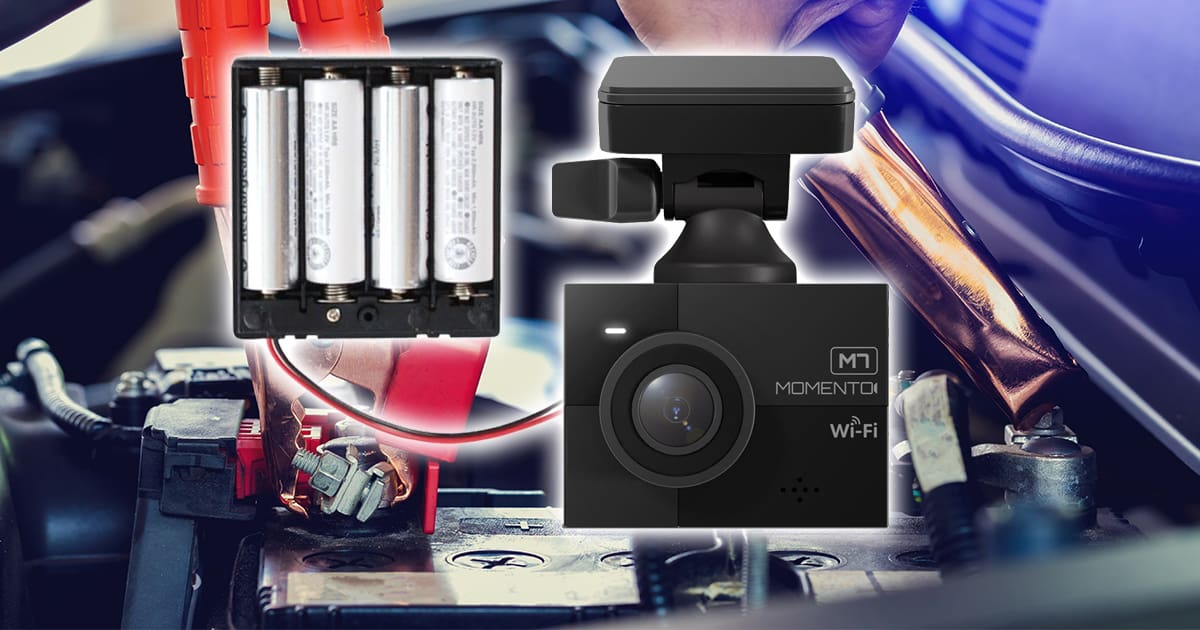
Typical dash cam power consumption and battery capacity
Most dash cams use between 0.2 and 1.5 amps at 12 volts. That equals roughly 2.4 to 18 watts of power. A typical car battery stores 40–80 amp-hours, which is about 480–960 watt-hours. Real usable energy is less because you should avoid draining below 50% to preserve start reliability. To estimate how long can car battery run a dash cam, compare the camera wattage to usable battery watt-hours. Considering the typical power consumption, a dash cam can run for several hours on a fully charged battery, depending on its wattage. Additionally, it’s important to factor in the amps used by dash cam chargers, which can slightly increase the total power draw. This means that if you plan to use your dash cam for extended periods, you should account for both the camera’s power needs and the additional demands of any charging equipment.

How to estimate runtime
Follow this simple method to estimate runtime:
- Find the camera current in amps. Multiply by 12 volts to get watts.
- Multiply battery amp-hours by 12 to get total watt-hours.
- Use only a safe portion of the battery (50% is a common safe cutoff).
Example: a 50 Ah battery = 600 Wh. If a dash cam uses 6 W, safe energy is 300 Wh, so runtime ≈ 50 hours. This shows how long can car battery run a dash cam varies widely by draw and chosen cutoff.

Factors that shorten or extend runtime
Many real factors change the answer to how long can car battery run a dash cam:
- Camera features that increase draw, such as Wi-Fi, GPS, or LCD screens.
- High-resolution recording and constant heating reduce efficiency.
- Cold temperatures cut battery capacity and shorten runtime.
- Battery age and state of charge greatly affect actual usable energy.
- Voltage cutoff settings and vehicle parasitic draws also change available energy.

Protecting your car battery: best practices and hardware
To protect your battery, use a low-voltage cutoff or a smart hardwire kit. Set the cutoff to a safe level, commonly between 11.8 V and 12.3 V, depending on tolerance. Consider a dedicated parking battery or an external battery pack for long-term surveillance. From my experience, a smart hardwire kit saved me from a dead battery by cutting power before the engine couldn’t start.

Practical examples and real-world runtimes
Here are realistic examples of how long can car battery run a dash cam in common setups:
- Driving only, continuous recording, small draw (5 W): a healthy 60 Ah battery may last dozens of hours of camera runtime, but the car alternator keeps the battery charged when driving.
- Parking mode, low draw (2 W) with motion-only recording: a 50 Ah battery could safely run the camera for 40–70 hours before hitting cutoff.
- Parking mode, high draw (12 W) for constant recording: the same battery might only last 8–14 hours. These examples show why you must match settings to your use.

Choosing parking mode power solutions
You have three main options depending on how long can car battery run a dash cam:
- Use the vehicle battery with a hardwire kit and a low-voltage cutoff for short stays and occasional surveillance.
- Install a secondary or deep-cycle battery to extend runtime for long parking periods.
- Use an external dedicated battery pack designed for dash cams for long-term parking monitoring without touching the car battery.
I prefer a dedicated external pack for long parking sessions. It isolates risk from the main battery.
How to calculate before you buy
Quick checklist to estimate runtime before buying:
- Note the dash cam current draw in amps and multiply by 12 to get watts.
- Note your car battery Ah rating and multiply by 12 for Wh.
- Decide a safe usable percentage (40–60% is common).
- Divide usable Wh by camera watts for estimated hours.
Running this check answers the practical question of how long can car battery run a dash cam for your exact camera and car.

Frequently Asked Questions of how long can car battery run a dash cam
How long can car battery run a dash cam while driving?
While driving, the alternator usually supplies power so runtime is effectively unlimited for the dash cam. The car battery supports startup only and should not drain while the engine runs. However, if the dash cam is used while the vehicle is off, it can draw power directly from the car battery, potentially leading to a drained battery over time. Consequently, understanding the impact of dash cams on battery performance is crucial for users who frequently leave their vehicles parked. Regular monitoring and occasional battery maintenance can help mitigate any adverse effects associated with prolonged use.
Can a dash cam drain my battery overnight?
Yes, a dash cam can drain a battery overnight if it runs continuously and the battery is small or old. Use a low-voltage cutoff or external battery to prevent a no-start situation.
How much power does parking mode use?
Parking mode power varies widely; typical values are 2–12 watts depending on features and recording type. Motion-triggered recording uses far less than continuous recording.
Will the dash cam kill a weak battery faster?
Yes, an older or degraded battery has less usable capacity and will reach cutoff sooner. Replace weak batteries if you need reliable parking-mode recording.
Is a hardwire kit safe for the battery?
A quality hardwire kit with a proper low-voltage cutoff is safe and is recommended for parking mode use. Set the cutoff to a conservative voltage to protect starting power.
Conclusion
You can expect a dash cam to run from a few hours to multiple days on a car battery, depending on camera draw, battery size, temperature, and settings. Use the simple watt-hour calculation above to estimate runtime for your setup. Protect the battery with a low-voltage cutoff, consider a dedicated battery pack for long parking surveillance, and match recording modes to your needs. Try the checklist before you buy and test settings in real life to avoid surprises. If you found this useful, subscribe for more practical guides or leave a comment with your dash cam model and I’ll help estimate runtime for you.

