

Mount the camera on the windshield or dash, run the cable along trim, and power it via fuse or cigarette port.
I’ve installed more than a dozen dash cams over the years, so I know the small tricks that make the job fast, neat, and reliable. This guide walks you through how do you attach a dash cam to your car step by step. You’ll get clear tools lists, mounting tips, wiring options, cable-routing tricks, troubleshooting fixes, and real-life tips from my experience. By the end, you’ll feel confident mounting a dash cam that looks factory-installed and works every time. the stepbystep dash cam installation process is straightforward, allowing you to follow along with ease. Each section of the guide builds upon the previous one, ensuring that even beginners can achieve a professional result. Plus, with the provided visuals and detailed explanations, you’ll never feel lost during the installation.
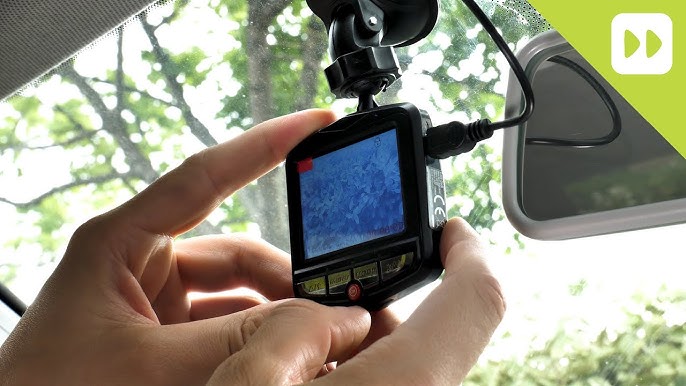
Why install a dash cam?
A dash cam records driving events. It can protect you after crashes, catches hit-and-runs, and provides proof for insurance claims. Many drivers also use footage to improve driving habits or capture scenic drives.
Dash cams are cheap insurance. They pay off in peace of mind. If you wonder how do you attach a dash cam to your car, the good news is it’s easier than you think.

Types of dash cams and which to choose
There are several common types. Each has pros and cons.
- Single-lens front-facing cameras
Single cam for the front windshield. Easy to mount and cheap. - Dual-channel front and rear cameras
Records both front and rear. Good for full coverage. - Interior-facing (cab) cameras
Useful for rideshare drivers or taxi work. - Hardwired or battery-powered modules
Hardwire works for parking mode. Batteries limit recording time.
Pick one that fits your car and your needs. Think about parking mode, video quality, and ease of installation. If you want to know how do you attach a dash cam to your car that records in parking mode, choose a hardwire kit or a camera with a low-power draw.
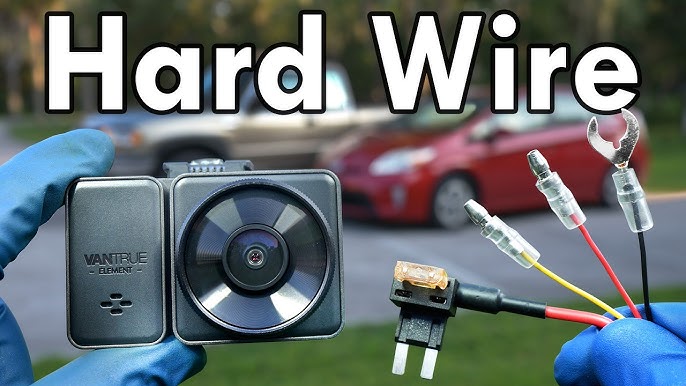
Tools and materials you need
Gather these before you start. Small prep saves a lot of time.
- Dash cam kit with mount and cable
Confirm the kit includes adhesive or suction mount. - Power cable or hardwire kit
Hardwire kit if you want parking mode from the fuse box. - Trim removal tool
Plastic pry tool to tuck cables under trim without damage. - Microfiber cloth and alcohol wipe
Clean the windshield for strong adhesive bond. - Multimeter (optional)
Useful when finding the right fuse for hardwiring.
Having the right tools makes the job smooth. When I skipped the trim tool once, I left a scuff on a pillar. Don’t skip it.

Step-by-step: how do you attach a dash cam to your car
Follow these steps in order. Read the whole list before starting.
- Pick the mount spot
- Aim for behind the rearview mirror. It keeps view clear and stays discreet.
- Ensure it does not block sensors or camera-assisted driving aids.
- Clean the glass
- Use an alcohol wipe and dry cloth.
- Let it fully dry for a stronger adhesive bond.
- Attach the mount
- Peel adhesive backing or secure suction cup.
- Press firmly for 30 seconds and wait 10 minutes before driving.
- Mount the camera
- Slide or clip the camera on the mount.
- Adjust tilt so the horizon is level.
- Route the power cable
- Tuck the cable into the headliner gap or behind trim.
- Use trim tools to avoid scratching panels.
- Connect power
- Plug into the 12V socket or hardwire into the fuse box.
- For hardwire, use a fuse tap and the accessory or constant fuse per your needs.
- Test the camera
- Start the car and check video and audio.
- Adjust angle and settings like time, resolution, and G-sensor sensitivity.
These steps answer how do you attach a dash cam to your car in a practical way. My first install took 90 minutes; now I can do it in 20. Practice speeds things up. one key factor in ensuring effective use of a dash cam is how dash cams mount securely, which plays a crucial role in maintaining a stable recording. If the mount is not secure, it can lead to shaky footage or even dislodgement during driving. Taking the time to select a quality mount and follow the installation instructions is essential for optimal performance.

Power options: hardwire vs plug-in (cigarette adapter)
Power choice affects functionality and neatness. Here’s what to know.
- Plug-in (12V cigarette adapter)
Quick and easy. Plug in and go. Cable may hang and it won’t power on when the car is off. - Hardwire kit to the fuse box
Clean, hidden install. Can enable parking mode and automatic on/off. - Battery pack or capacitor
Some cams include capacitors. They handle a safe shutdown better than simple batteries.
If you need parking recording, hardwiring is the best option. When I hardwired my dash cam, it saved footage of a parking lot incident that the plug-in unit would have missed.
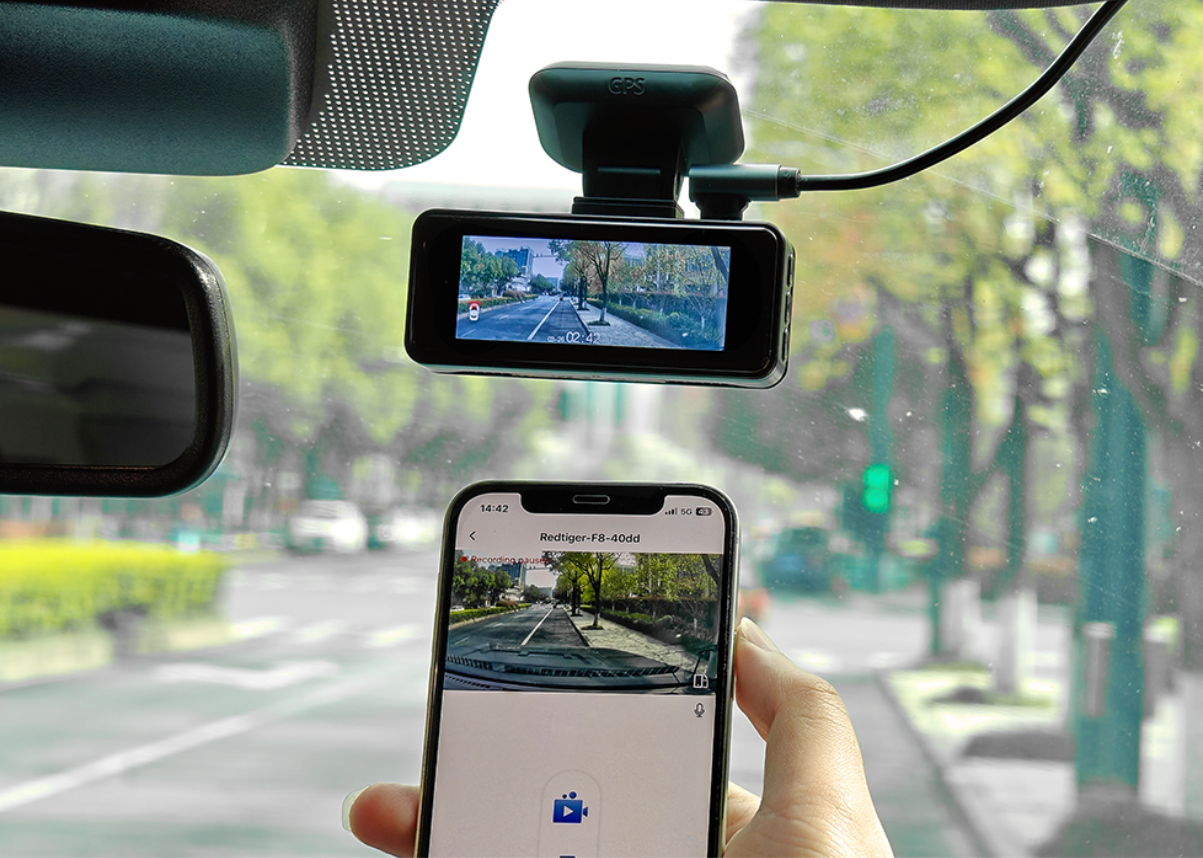
Positioning and angle tips
Correct placement keeps footage usable and legal. Keep it simple.
- Center behind the rearview mirror
Best balance of view and minimal obstruction. - Keep the lens level with the horizon
Tilt can distort lanes and license plates. - Avoid sun glare and reflection
Mount below tinted sun strip if possible. - Consider windshield curvature
Move slightly to reduce distortion.
Good positioning answers how do you attach a dash cam to your car so you get clear plates and faces. Check footage at different times of day to confirm.
Concealing and routing the cable
A tidy install looks professional. It also avoids loose wires and accidental damage.
- Start at the mount and push cable into the headliner gap
Use a trim tool to pry slightly and tuck cable in. - Route down the A-pillar behind weatherstripping
Pull out the rubber seal and slide cable behind it. - Tuck under dash trim to the fuse box or 12V socket
Keep cables away from airbags and moving parts. - Use adhesive clips for excess cable
Coil extra cable and secure it out of sight.
I usually route the cable behind the driver-side A-pillar. That path hides cables well and keeps the install serviceable. Proper routing is part of how do you attach a dash cam to your car that lasts.
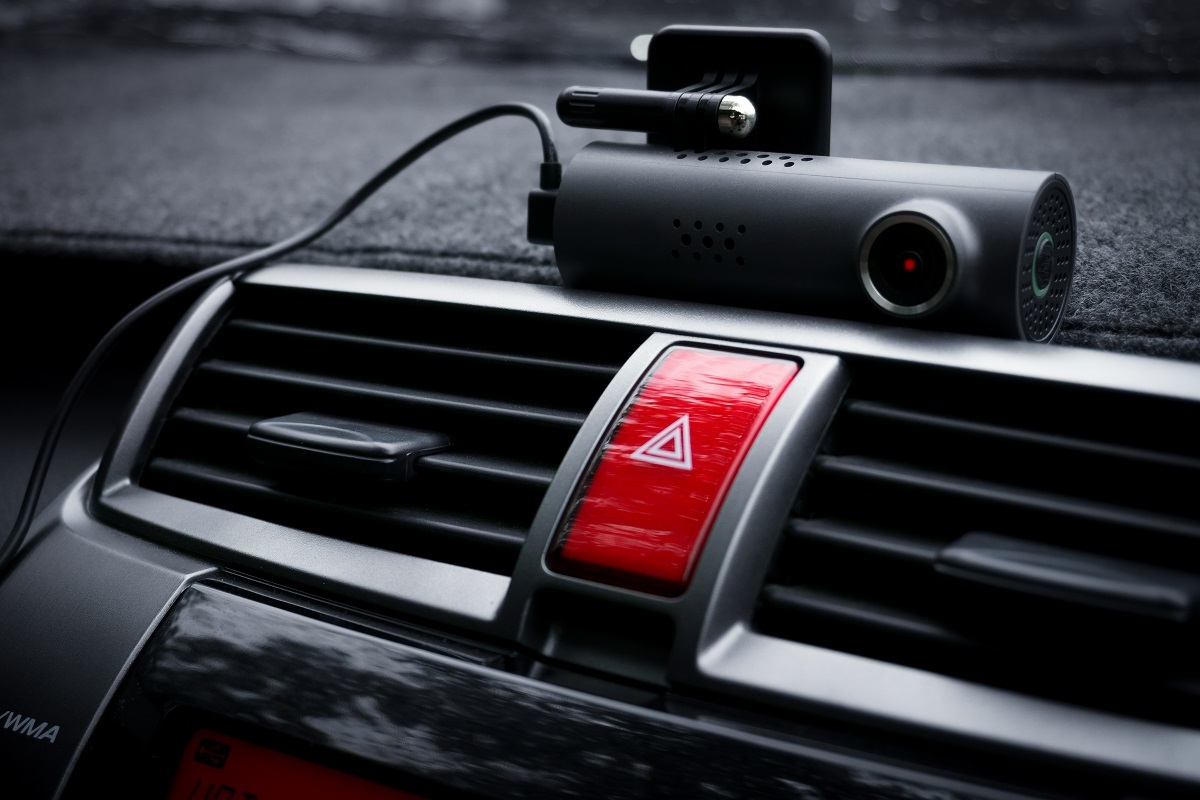
Testing, troubleshooting, and maintenance
Test everything before you call it done. Small checks prevent big headaches.
- Test video quality and time stamp
Drive around for a few minutes and play back footage. - Check night vision and license plate clarity
Make adjustments to exposure or resolution if needed. - Ensure auto start/stop works
Turn ignition off and on to confirm power behavior. - Secure loose mounts and cables
Re-run cable if it rubs or pinches, and tighten mounts if vibration appears.
If the cam fails to start, check the fuse or the 12V socket. I once had an adapter that fit loosely; replacing it fixed intermittent power loss. Regularly clean the lens and firmware update the camera for best results.

Legal and privacy considerations
Know the rules where you drive. Laws vary by state and country.
- Check local dash cam laws
Some places limit recording audio or placing objects on windshields. - Avoid blocking the driver’s view
Many regions require cameras not impede visibility. - Respect privacy in shared spaces
Interior-facing cams may raise privacy concerns in rideshare work.
I always read local DMV guidelines when I move or travel. It keeps me legal and wise about how do you attach a dash cam to your car while protecting privacy.
Frequently Asked Questions of how do you attach a dash cam to your car
How high should I mount my dash cam?
Mount it near the top center of the windshield behind the rearview mirror. That spot gives a clear view with minimal obstruction.
Can I hardwire a dash cam myself?
Yes, with basic tools and a fuse tap you can hardwire. If unsure, have a pro install it to protect vehicle electronics.
Will a dash cam drain my car battery when parked?
A hardwired cam with parking mode can draw power, but modern low-draw units and proper wiring minimize battery drain. Use a battery monitor or low-voltage cutoff if concerned.
How do I hide the cable neatly?
Tuck the cable into the headliner, down the A-pillar, and behind dash trim. Use a trim tool and adhesive clips for a clean look.
Do dash cams record audio, and is that legal?
Many cams record audio by default. Laws vary, so check local rules before recording interior audio to avoid privacy issues.
Can a dash cam record continuously?
Yes, most dash cams loop-record; they overwrite old files when storage is full. Use a high-capacity, high-endurance microSD card for best results.
Conclusion
Mounting a dash cam is a small project with big value. You learned how do you attach a dash cam to your car step by step, how to route cables, power choices, and legal points. Start by picking the right spot, clean the glass, and tuck the cable neatly—those three moves make most installs succeed. Try it today, test the footage, and adjust as needed. Share your install story or questions below and consider subscribing for more practical car-tech tips. When selecting the best dash cam mounting locations, consider areas that provide a clear view of the road while minimizing obstructions from the vehicle’s frame. Additionally, ensure that the camera is placed securely to prevent it from moving or falling during sudden stops or accidents. A well-mounted dash cam not only enhances your driving experience but also can be a valuable piece of evidence in case of disputes. If you encounter issues with your dash cam’s suction cup, learning how to fix dash cam suction cup problems can save you time and frustration. Sometimes, simply cleaning the windshield or reapplying the suction cup can make a significant difference. Always check the mounting instructions provided by the manufacturer to ensure optimal performance and stability.

