


Run wires behind trim, tuck into headliner and A-pillar, and use a fuse tap.
I’ve installed dash cams in many cars and vans over the years. This guide explains exactly how to hide wires in car dash cam installs so the setup looks clean, works reliably, and stays safe. I’ll show step-by-step methods, tools I use, common routes, safety tips, and real lessons I learned from mistakes. Read on to make your dash cam wiring neat and long-lasting.

Why hide wires for a cleaner dash cam install
A tidy dash cam looks better and cuts distraction while driving. Hiding wires keeps them safe from wear and from getting pulled during door or seat moves. Proper wire routing also reduces noise, prevents battery drain, and helps resale value. Learning how to hide wires in car dash cam installs is a small skill that makes a big difference in daily use and long-term reliability. I’ll explain the easiest ways to route wires so they stay out of sight and out of the way.
Tools and supplies you’ll need
Use the right tools for safe, fast work. Here’s a checklist I use for almost every install.
- Trim removal tool set for prying plastic panels without damage.
- Small flathead screwdriver and Phillips driver for screws.
- Fuse tap or hardwire kit to power the dash cam from the fuse box.
- Wire ties and low-profile adhesive cable clips for securing wires.
- Electrical tape and heat shrink tubing for clean splices.
- Multimeter to find switched and constant circuits in the fuse box.
- Long USB or mini-USB extension cable if your dash cam needs it.
- Protective gloves and a flashlight for hard-to-reach spots.
Having these ready makes hiding wires in car dash cam installs faster and safer. I learned to always bring spare wire ties; they save time.

Step-by-step guide: how to hide wires in car dash cam
Follow these clear steps to hide wires in car dash cam installs. Keep each step short and test as you go.
Plan the route
Decide whether you will power the camera from the 12V accessory socket, the cigarette lighter, or the fuse box. For a clean permanent look, choose a fuse tap. Visualize the path from the camera to the power source before you begin.Mount the dash cam first
Stick the camera to the windshield in its final spot. Run the wire along the edge of the glass to confirm reach and fit. Test the camera power before hiding wires.Loosen trim pieces gently
Use trim tools to lift the headliner edge, A-pillar trim, or dash panels. Work slowly to avoid breaking clips. Remove only what you need to create a clean path.Route wire into headliner or A-pillar
Tuck the wire up into the headliner or down the A-pillar trim. Keep wire away from airbag seams and connectors. Use a plastic stick or fish tape if the wire needs to go behind tight panels.Run wire along the dash and under the glove box
Tuck excess wire down under the dash or behind the glove box. Secure with cable clips to keep it from dangling near pedals or steering column.Make the power connection cleanly
If using a fuse tap, attach the power lead to a switched fuse so the camera turns on with the car. Ground the negative to a solid metal bolt. Insulate connections with tape or heat shrink.Hide and secure loose sections
Use wire ties and adhesive clips to fasten the wire to factory harnesses. Trim any excess and tuck the final run into panels. Reinstall trim and test camera operation and stability.Final test and tidy up
Turn the car on and off to confirm the dash cam powers correctly and parking mode works, if applicable. Check that no wires interfere with airbags, vents, or controls.
This step-by-step method shows how to hide wires in car dash cam installs so the result is neat and reliable. When I first started, I skipped securing a loose section and had a rattle; always fasten wires to reduce noise and wear.
Common wiring routes and practical tips
Knowing common paths helps you choose the easiest route for your car.
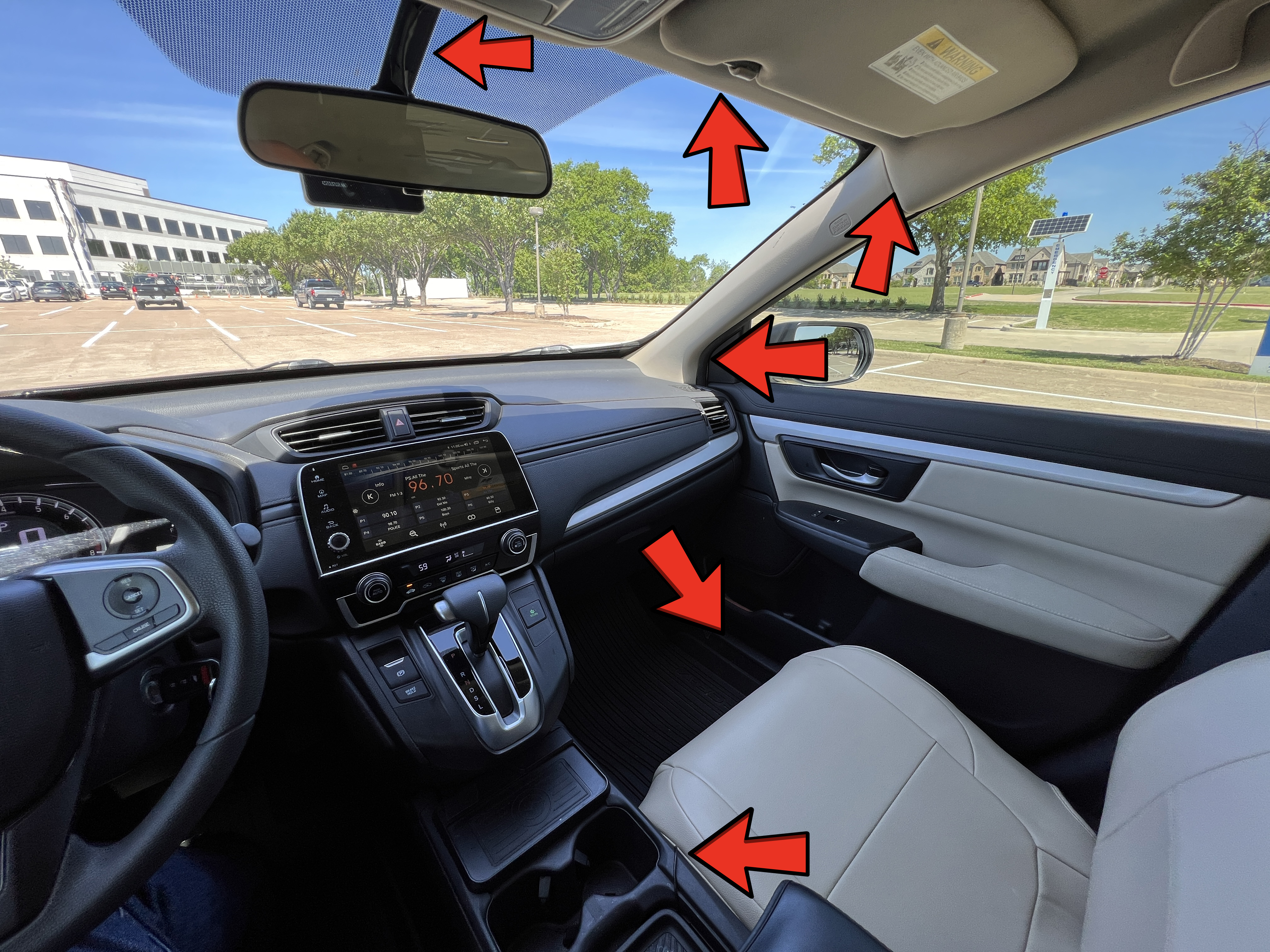
- Along the headliner to the A-pillar: Best for midday windshield mounts because it keeps wire high and hidden.
- Down the A-pillar into the dash: Works well for single-camera setups; avoid airbag areas and routing across the curtain bag.
- Behind the glove box: A favorite for dash cams that need hardwiring and fuse box access.
- Under the steering dash: Good for shorter runs to the fuse box; watch for moving parts.
- Through door sills or weather seals: Use caution to avoid pinch points that can cut wires.
Tips from hands-on installs:
- Always test-fit before removing many panels. A quick mock run saves time.
- Use felt or rubber grommets where wires pass through sharp metal edges.
- Label any splices so you can reverse changes later.
- Keep the camera cable slack near the mount so the cord is not under tension.
These routes make hiding wires in car dash cam installs intuitive. I once routed wire too close to a hinge and it frayed; that taught me to always leave slack and protect edges.
Safety and legal considerations
Safety matters when you learn how to hide wires in car dash cam installations. Follow these rules.
- Avoid airbag zones: Do not route wires across airbag seams or clip them inside airbag covers. This can block deployment and is dangerous.
- Keep the windshield view clear: Mount the cam low or near the rearview mirror to comply with local laws about obstructed windshields.
- Use proper fusing: When hardwiring, use an inline fuse or fuse tap to protect the camera and car wiring from shorts.
- Secure connections: Loose wiring can cause shorts or fail in cold weather. Use proper crimps and seal with heat shrink.
- Check local rules: Some states or countries have rules about recording audio or video in cars. Confirm before you record.
I always double-check the route against the airbag diagram in the service manual. If unsure, consult a pro. Safety keeps your installation legal and trustworthy.

Troubleshooting and maintenance
Common issues and quick fixes when hiding wires in car dash cam installs.
Camera loses power intermittently
Check the fuse tap and ground connection. Look for loose ties or pinched wires under trim.Wire chafing or cuts
Inspect under trim for wear. Replace damaged sections and add protective sleeving.Rattle or noise from loose wires
Add more clips or ties and secure wires to the factory loom. Remove slack near moving parts.Battery drain when parked
Confirm you used a switched fuse or set the dash cam’s parking mode correctly. Use a low-voltage cut-off module if needed.Poor GPS or signal issues
Keep GPS modules away from large metal panels and secure them high on the dash or near the windshield.
Routine checks every 3–6 months keep the install tidy. My routine is to glance at the wiring after car washes because panels can shift in high-pressure streams.

Frequently Asked Questions of how to hide wires in car dash cam
What is the safest route to hide dash cam wires?
The safest route is along the headliner into the A-pillar and down behind the dash, keeping wires away from airbag seams. Secure with clips and avoid pinch points.
Can I use the cigarette lighter to hide wires instead of hardwiring?
Yes, the cigarette lighter is simple and reversible, but it leaves a visible cable. For a fully hidden look, hardwire with a fuse tap.
Will hiding wires void my car warranty?
Hiding wires by tucking them behind panels usually does not void warranty, but cutting or modifying factory wiring might. Keep work reversible and document changes.
How do I avoid damaging airbags when hiding wires?
Do not tuck wires under or through airbag covers and avoid routing across the A-pillar seam. Check the service manual for airbag locations before you run wires.
How do I hide a dual-channel dash cam’s extra wires?
Route the front camera wire along the windshield and run the rear camera cable through the headliner and down the interior trim to the trunk, securing it along the vehicle’s factory harness.
Can I hide dash cam wires without removing trim?
You can often tuck wires into natural seams without full removal, but partial trim removal with proper tools gives a cleaner, more secure run. Work slowly to avoid breaking clips.
Is it safe to use adhesive clips on the dashboard?
Adhesive clips are fine for light loads if the surface is clean and dry. For heavy or long runs, combine adhesive clips with cable ties to factory points for extra security.
Conclusion
Hiding wires in car dash cam installs makes your setup neater, safer, and more durable. Use the right tools, plan your route, keep wires away from airbags, and secure everything with clips and ties. Start simple: mount the camera, route the wire along the headliner or A-pillar, and use a fuse tap for a clean power source. With a little patience and the tips here, you can achieve a professional result. Try one small install today, and share your experience or questions below to keep learning and improve your next project.

