

1080p generally delivers clearer, sharper footage than 720p for most dash cam needs.
I have tested dash cams for years and helped drivers choose the right gear. This article breaks down 720p vs 1080p dash cam performance, real-world benefits, storage trade-offs, night visibility, and buying tips. Expect clear comparisons, hands-on advice from my tests, and practical steps to pick the best resolution for your budget and needs. Read on to make a confident choice about 720p vs 1080p dash cam tech. Additionally, it’s important to consider the benefits of nonwifi dashcams, which offer simplicity and reliability without the risks of hacking or connectivity issues. These models often come at a lower price point, making them an excellent choice for budget-conscious drivers. By understanding your specific driving needs and preferences, you can make an informed decision that aligns with your lifestyle and safety requirements.
Understanding resolution: what 720p and 1080p mean
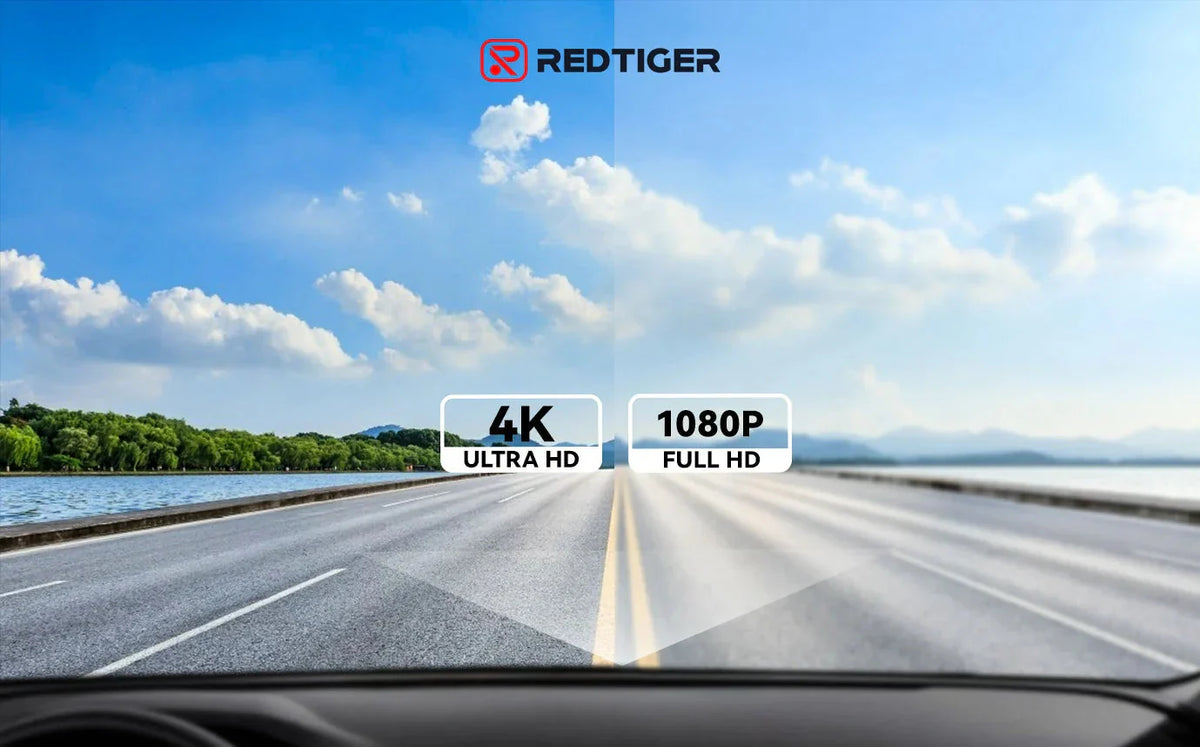
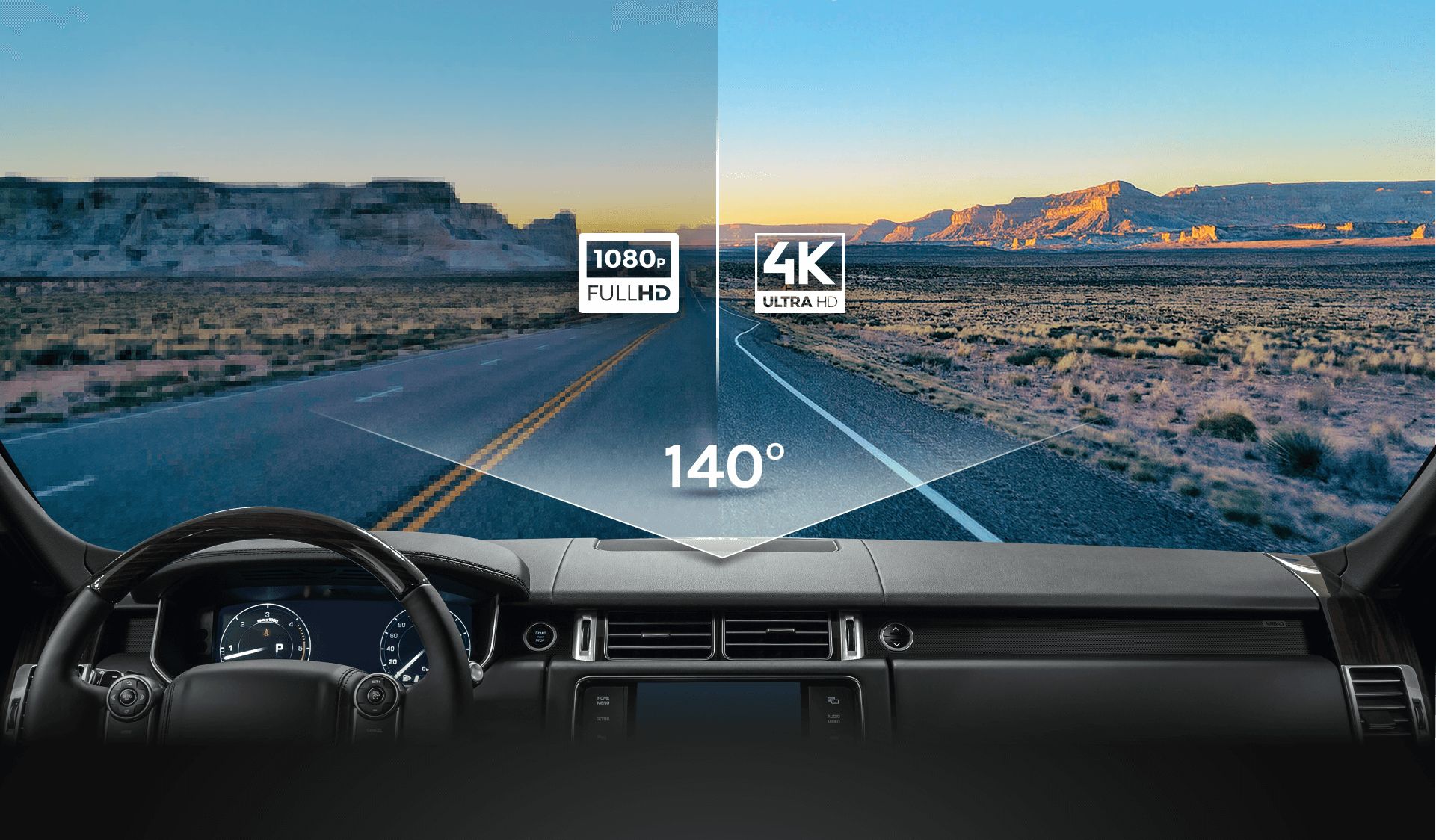
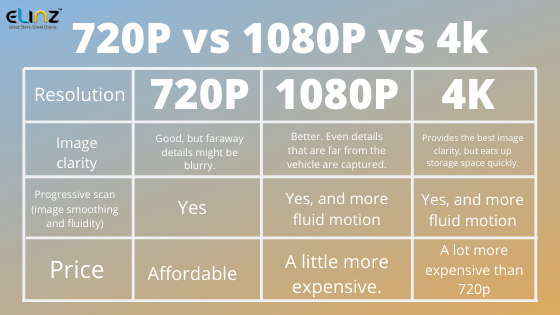
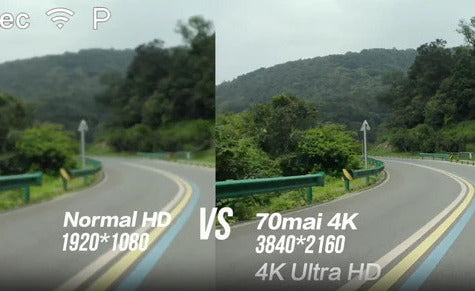
Resolution is the number of pixels in each video frame. 720p is 1280×720 pixels. 1080p is 1920×1080 pixels. More pixels mean more detail. That is why 720p vs 1080p dash cam comparisons usually favor 1080p for clarity.

How image quality differs in practice
1080p captures finer details. You will read license plates and see faces more clearly with 1080p. 720p can still record useful video for basic incidents. If you need evidence for claims, 1080p is usually stronger in court or insurance reviews.
Night and low-light performance
Resolution matters less in poor light than sensor size and processing. A 1080p dash cam with a good sensor beats a 720p camera with a weak sensor at night. Look for features like larger aperture, Sony or STARVIS sensors, and good noise reduction. When comparing 720p vs 1080p dash cam models, check sample night footage more than specs.

Storage, bitrate, and file sizes
1080p files are larger than 720p at the same bitrate. Higher bitrate preserves detail. Lower bitrate on 1080p can negate the resolution advantage. Estimate storage needs:
- 720p at moderate bitrate: about 200–400 MB per hour
- 1080p at moderate bitrate: about 400–800 MB per hour
Choose a camera with adjustable bitrate and loop recording to manage space when deciding between 720p vs 1080p dash cam models.
Frame rate and motion clarity
Frame rate affects motion smoothness. A 30 fps 1080p dash cam will show motion more smoothly than a 720p camera at 15 fps. For highway driving and quick events, prioritize 1080p at 30 fps or higher. When weighing 720p vs 1080p dash cam options, check both resolution and fps.

Real-world reliability and durability
Resolution is only part of the story. Mount stability, heat tolerance, and firmware matter. In my experience, some 1080p cameras overheat in direct sun and shut off. Some 720p models last longer under harsh conditions. Consider build quality and warranty alongside the 720p vs 1080p dash cam debate.
Use cases: when 720p is enough
720p can be fine for:
- Commuters who need simple evidence of events
- Backup or secondary cameras where high detail is not critical
- Tight budgets and basic fleet tracking
If you mostly drive in well-lit areas and want lower storage needs, a 720p dash cam can serve you well in the 720p vs 1080p dash cam comparison.

Use cases: when 1080p is better
Choose 1080p if you:
- Want clear license plates and facial detail
- Drive at high speeds or on highways
- Need high-quality evidence for insurance or law enforcement
For serious documentation needs, 1080p dash cams tend to be the better choice in the 720p vs 1080p dash cam decision.
src=”https://wolfbox.com/cdn/shop/articles/4K_vs._1080p_Dash_Cam_9106de5c-f1e0-4560-9a4a-a817ae6f1cbb_1024x1024.webp?v=1760414031″
alt=”Costs and value: price differences explained”
style=”max-width: 100%; height: auto; border: 2px solid black; border-radius: 10px; display: block; margin: 0 auto;”
loading=”lazy”
/>
Costs and value: price differences explained
1080p models often cost more than 720p models. But price gaps have shrunk. Many budget 1080p dash cams now exist. Balance cost with features like GPS, parking mode, and sensor quality. When comparing 720p vs 1080p dash cam value, look at the whole feature set, not just resolution.
Installation and placement tips
Placement affects what you capture. Mount the camera near the rearview mirror for a central view. Keep the lens clean for best results. Test both 720p and 1080p recordings after install to confirm the field of view and clarity meet your needs.
Personal experience and practical tips
From my tests, a mid-range 1080p camera with a good sensor beats a low-end 720p in most situations. I once replaced a cheap 720p unit because night footage was unreadable. Lessons learned:
- Always check sample footage before buying
- Choose adjustable bitrate and exposure settings
- Keep a spare microSD card and format it regularly
These tips helped me get reliable results when comparing 720p vs 1080p dash cam options.
How to choose: checklist for buyers
Use this quick checklist when deciding between 720p vs 1080p dash cam:
- Confirm intended use: evidence, casual recording, or fleet tracking
- Review sample day and night footage from the model
- Check sensor type and aperture, not just resolution
- Compare bitrates and available storage
- Consider warranty and mounting stability
Follow this list to pick the right balance of detail, storage, and price.
Frequently Asked Questions of 720p vs 1080p dash cam
What is the main difference between 720p vs 1080p dash cam?
1080p has more pixels and captures finer detail than 720p. This makes 1080p better for reading license plates and faces.
Will a 1080p dash cam prove fault in accidents more often than a 720p?
A 1080p dash cam increases the chance of clear evidence, but sensor quality and lighting also matter. Good audio and stable mounting help as much as resolution.
Do 1080p dash cams use much more storage than 720p?
Yes, 1080p files are larger, often about two times bigger at the same bitrate. You can manage storage with loop recording and higher capacity cards.
Is 720p enough for parking and occasional recordings?
Yes, 720p can be sufficient for parking events and casual use. For high-detail proof, 1080p is preferable.
Does higher resolution mean worse battery life or heat issues?
Higher resolution can increase processing and heat, depending on the camera design. Good manufacturers handle heat well, so pick models with proven reliability.
Redtiger and Rove Dash cam comparison
Conclusion
Choosing between 720p vs 1080p dash cam comes down to what you need. If you want sharper detail for evidence, choose 1080p. If you need lower storage use and a lower price, 720p can work. Test sample footage, focus on sensor quality, and follow the checklist above to make a smart buy. Ready to upgrade or compare models? Try sample clips from cameras you like, subscribe for updates, or leave a comment with your situation and I’ll help you choose.

