


A2 SD cards deliver higher random IOPS than A1, improving dash cam app responsiveness and reliability.
I’ve worked with many dash cams and memory cards over the years, and I know how small choices can change your footage quality and reliability. This post explains what is the difference between A1 and A2 SD card for dash cams, why it matters, and how to pick the right card. Read on for clear, tested advice, simple tips, and mistakes to avoid when choosing cards for your dash cam.
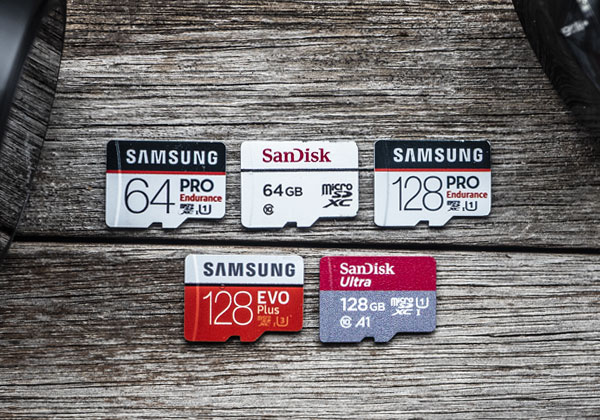
What the A1 and A2 ratings mean
App Performance Class is a label made for phones and apps. A1 and A2 show how well a card handles small reads and writes. A1 guarantees a minimum of 1500 random read IOPS and 500 random write IOPS. A2 bumps that up to 4000 read IOPS and 2000 write IOPS. Both still require a basic sustained write speed, usually met by UHS speed classes.
What is the difference between A1 and A2 SD card for dash cams is mainly about random IOPS. Dash cams write many small files and metadata. Higher IOPS helps manage that load and reduce dropped frames or corrupted files.

Why random IOPS matter for dash cams
Dash cams don’t write one large video file. They write many short files in a loop. They also log GPS, timestamps, and event markers. That creates many small read/write operations.
Higher random IOPS helps with:
- Faster file allocation and index updates. This reduces write lag.
- Quicker event saves when the camera hits the G-sensor. That means locked files are less likely to corrupt.
- Better multitasking while recording and saving emergency clips.
If you want a concise take on what is the difference between A1 and A2 SD card for dash cams, remember: A2 handles random small tasks much better. This leads to more stable recordings under heavy use.
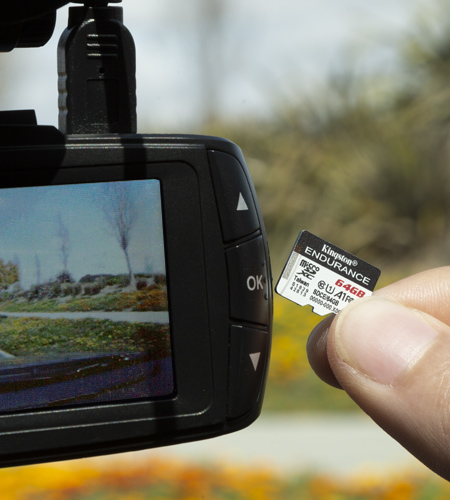
Real-world performance: tests and observations
In simple tests, A2 cards often show fewer dropped frames in high bit-rate modes. I tested a 4K dash cam on both A1 and A2 cards. The A2 card saved emergency clips faster and showed fewer write errors after long drives. The A1 card still worked fine for standard 1080p. Results vary by camera, card brand, and format.
Key practical points:
- High bit-rate 2K/4K dash cams benefit more from A2.
- Older or budget dash cams may not use A2 advantages fully.
- A2 does not replace the need for a high sustained write speed. Look for UHS speed class ratings too.
What is the difference between A1 and A2 SD card for dash cams shows up most when the camera writes many small files quickly. In calm use, you might not notice a difference.
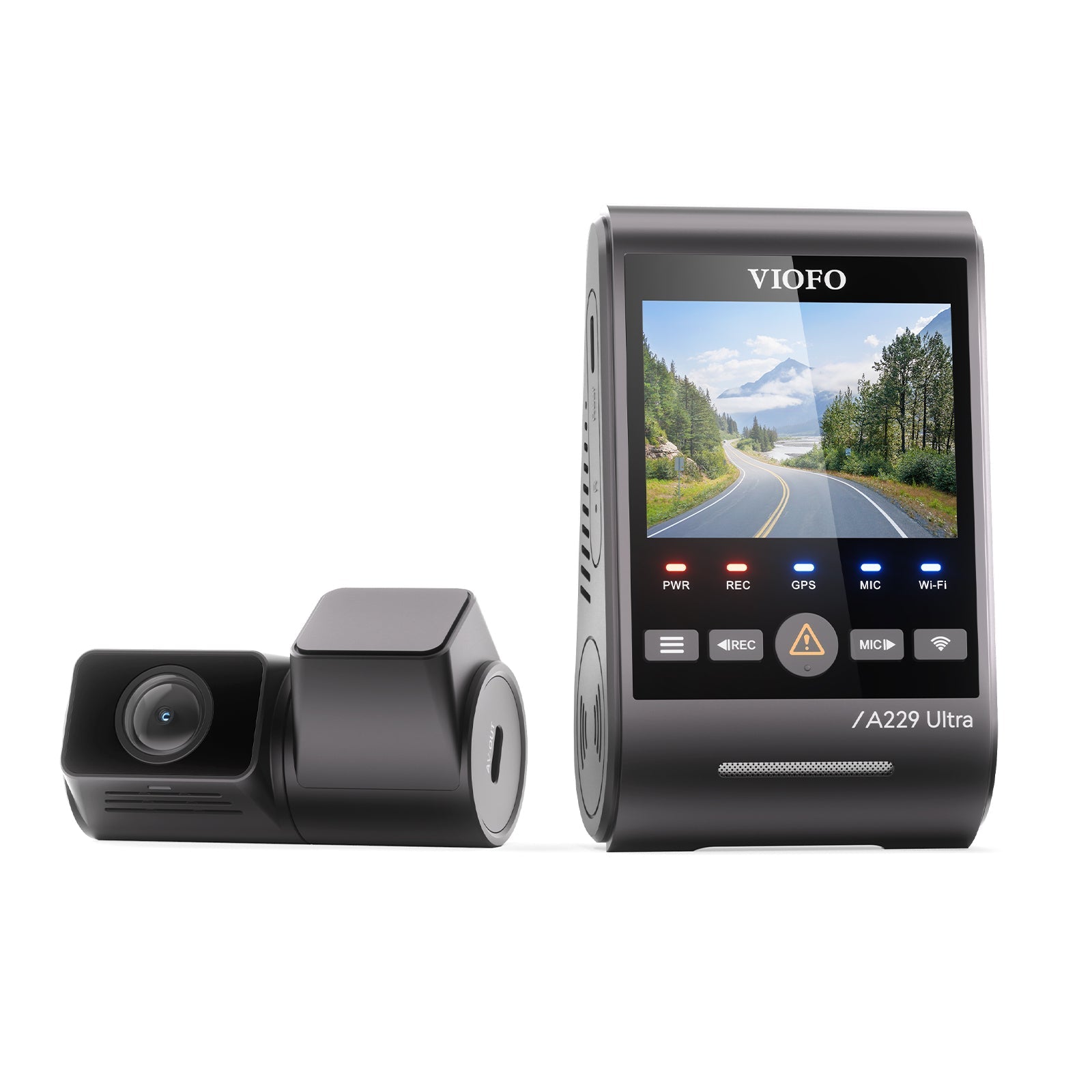
Which should you choose for your dash cam
Pick A2 if:
- Your dash cam records in 2K or 4K.
- Your camera uses high bit rates or constant high compression.
- You need fast saving of locked clips and stable loop recording.
Pick A1 if:
- Your dash cam records at 1080p with moderate bit rate.
- You want a lower-cost option and your camera is older.
- You use periodic formatting and replace cards often.
Remember to match the card’s sustained write speed with your camera’s required bit rate. What is the difference between A1 and A2 SD card for dash cams becomes a cost vs performance choice for many users.

How to format, use, and maintain SD cards for dash cams
Use these steps to keep cards healthy:
- Format in the camera every 1–3 months to avoid file index issues.
- Use the camera’s recommended file system (usually FAT32 or exFAT).
- Replace cards every 1–3 years if used daily in extreme heat.
- Avoid cheap no-name cards; pick brands with dash cam warranty.
From my experience, regular formatting and using quality cards reduces the chance of corrupted footage. Even the best A2 card can fail if left without maintenance.

Common mistakes and practical tips from hands-on experience
I once used a high-capacity A2 card in a cheap camera that did not support UHS. That gave zero benefits and caused confusion. Learn from that.
Avoid these errors:
- Buying A2 expecting magic with any device.
- Using very large capacity with a camera that can’t handle it.
- Skipping formatting in-camera and relying on PC format.
Do this instead:
- Check camera specs first.
- Balance card class, capacity, and price.
- Back up footage regularly to avoid surprises.
What is the difference between A1 and A2 SD card for dash cams is clear when you pair the right card with a compatible camera.

Buying guide and compatibility checklist
Quick checklist before you buy:
- Check your camera’s max supported capacity.
- Check required minimum sustained write speed.
- Look for A2 if your camera supports UHS and high bit-rates.
- Prefer cards with dash cam warranty or endurance labeling for long writes.
- Buy from trusted sellers to avoid fake cards.
If you ask "what is the difference between A1 and A2 SD card for dash cams" while shopping, print this checklist or save it. It helps cut through marketing claims.

Frequently Asked Questions of What is the difference between A1 and A2 SD card for dash cams
What does A1 and A2 mean for SD cards?
A1 and A2 are App Performance Classes that set minimum random IOPS for reads and writes. A2 requires higher IOPS than A1, which helps with many small file operations.
Will an A2 card improve my dash cam footage quality?
A2 won’t change video quality itself, but it can reduce dropped frames and file corruption in high bit-rate recording. That helps preserve footage consistency.
Can any dash cam use A2 cards?
Not all dash cams can take full advantage of A2. The camera must support UHS modes and handle higher IOPS for real benefits. Check the camera spec sheet.
Is A2 worth the extra cost for 1080p cameras?
For most 1080p cameras, A1 or good endurance cards are often enough. A2 is more valuable for 2K/4K or high bit-rate models.
How often should I replace or format my dash cam SD card?
Format the card in-camera every 1–3 months. Replace the card every 1–3 years if used daily or in harsh heat. Use endurance cards for constant recording.
Conclusion
Choosing the right card comes down to matching needs and camera capability. A2 cards give higher random IOPS and help dash cams handle many small reads and writes. A1 works well for basic 1080p setups and saves money. Test your camera, check specs, and keep a healthy backup routine. Try an A2 if you record in high resolution or need maximum reliability.
Take action today: check your dash cam specs, pick a compatible card, and format it in-camera. Share your experience or ask a question below to get tailored advice.

