


Hide a small dash cam behind trim or in the rearview mirror for discreet, steady footage.
I have installed and tested hidden dash cams for years, learning what works and what to avoid. This guide on how to put a hidden dash cam in your car walks you through safe choices, legal checks, the best mounting spots, wiring tips, and testing steps. Read on for clear, practical steps and real-life tips that make the job simple and reliable.

Why install a hidden dash cam
A hidden dash cam gives continuous, discreet evidence of accidents, vandalism, and theft. It helps drivers who want a low-profile camera for security or fleet use. I chose hidden mounts when visible cams drew wrong attention or got tampered with. Knowing how to put a hidden dash cam in your car helps you protect yourself without making the device a target.

Legal and ethical considerations
Laws on recording in a car vary by state and country. Always check local rules for audio and video recording before you install a camera. If you use footage for insurance, keep clear records and timestamped clips. I learned early to respect privacy and to warn passengers when I record in shared vehicles.

Choosing the right hidden dash cam
Pick a camera with small size and good video quality. Look for 1080p or higher for clear evidence. Consider features like loop recording, G-sensor, and parking mode. Battery-free models that run on hardwire kits avoid bulky battery packs. I prefer models with a wide field of view and low-light sensors for night clarity.

Best places to hide a dash cam in your car
Choose spots that keep the lens clear and the unit secure. Common discreet locations include:
- Behind the rearview mirror, tucked under the plastic shroud where it faces forward.
- Inside the thin gap under the windshield headliner near the mirror.
- In the dash trim above the glove box, with only the lens exposed.
- Inside the front speaker grill or behind a vent where airflow won’t obstruct the view.
Mounting behind the mirror often gives the best view with minimal exposure. Practice positioning before final wiring to avoid blocking drivers’ sight lines.
Tools and materials you will need
Gather the right tools before you start. Typical items include:
- Small pry tools for trim removal.
- Wire tap connectors or a hardwire kit with fuse tap.
- Electrical tape and zip ties for secure routing.
- Microfiber cloth to clean the windshield area.
- A multimeter to test power sources.
I always keep extra zip ties and a compact pry tool in my car bag. They save time and prevent damage to trim.

Step-by-step: how to put a hidden dash cam in your car
Follow these concise steps for a tidy install.
- Plan placement and angle. Park on level ground and mark the best spot on the windshield.
- Mount the camera temporarily with the included adhesive or mount. Check the field of view from the driver seat.
- Remove the trim gently with pry tools. Work slowly to avoid snaps or scratches.
- Route the cable along the headliner, down the A-pillar, and behind the dash trim. Keep cables hidden from view.
- Connect power using a hardwire kit to the fuse box or to an always-on or switched fuse as needed.
- Secure loose wires with zip ties and replace trim pieces carefully.
- Reboot the camera and record a test clip while driving to confirm angle and stability.
I made the mistake once of leaving a visible cable under the mirror. Tucking the wire into trim solved it and looks far better.
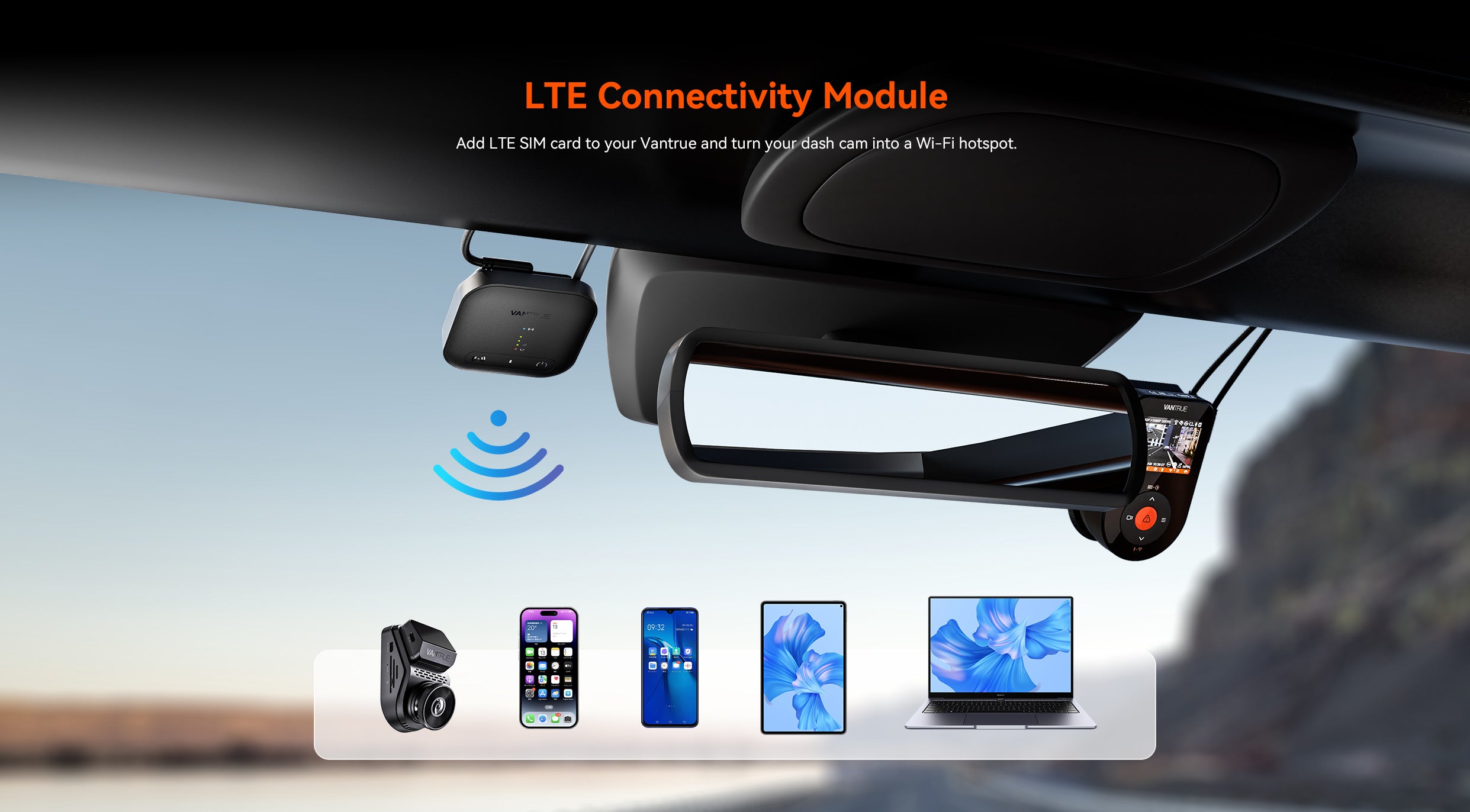
Power options and wiring tips
You can power the camera in several ways. Options include:
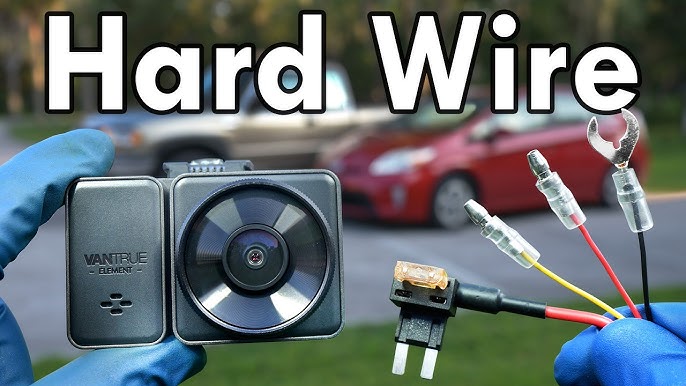
- Hardwiring to the fuse box with a low-voltage cutoff hardwire kit for 24/7 parking mode.
- Using a cigarette lighter adapter for easy plug-and-play installs.
- Installing a backup battery pack for long parking surveillance.
Use a fuse tap to avoid cutting factory wires. Label the fuse you tap and use an inline fuse if the kit doesn’t include one. I prefer hardwiring for clean installs and continuous parking recording.
Testing, setup, and calibration
Test before you finish reassembling trim. Steps to test:
- Drive a short route to check framing and image quality.
- Trigger sudden stops to test G-sensor event saving.
- Verify loop recording and overwrite behavior.
- Check that parking mode wakes on motion or impact.
I always check both day and night footage. Lighting can change how well the camera captures license plates and faces.
Common problems and troubleshooting
If the camera won’t power on, check fuses and connections first. If footage is shaky, recheck the mount and adhesive. If files corrupt, format the SD card in the camera and buy a high-endurance card. Slow boot times often mean the camera is waiting on firmware updates or a weak power source. I solved many issues by switching to a better SD card and securing the mount more tightly.
Maintenance and long-term care
Keep the lens clean and check mounts every few months. Replace adhesive pads if they lose grip. Back up critical footage regularly to cloud or external drives. Update firmware when the manufacturer releases fixes. My rule is a quick monthly check; it keeps the system reliable.
When to avoid a hidden dash cam
Do not install a hidden dash cam if local law forbids recording without consent. Avoid hiding cameras in shared cars where people expect privacy. If you run a rental or rideshare, disclose recording to passengers. Being upfront can prevent legal issues and maintain trust.
Frequently Asked Questions of how to put a hidden dash cam in your car
Is it legal to install a hidden dash cam in my car?
Laws vary widely by location. Check state and local laws about audio and video recording before you install a hidden dash cam in your car.
Will hiding the camera affect video quality?
Hiding the camera can reduce glare or create blind spots if not placed correctly. Proper placement behind the rearview mirror usually keeps video clear and steady.
Can I hardwire a hidden dash cam myself?
Yes, many owners hardwire with a fuse tap and a low-voltage cutoff kit. If you are unsure, have a professional do the wiring to avoid electrical issues.
How do I keep the camera from being seen?
Tuck the camera behind trim and route cables inside the headliner and A-pillar. Use small mounts and color-matched adhesive to blend with the interior.
What SD card should I use for a hidden dash cam?
Choose a high-endurance microSD card rated for continuous video. Format the card in the camera and replace it every year for reliability.
Conclusion
You can install a hidden dash cam with simple tools, the right camera, and careful routing. Follow local laws, test the setup, and maintain the system for steady, reliable footage. Try a small trial install first to find the ideal spot, then hardwire for the cleanest result. If you found this guide helpful, try the steps yourself, leave a comment with your experience, or subscribe for more hands-on car tech guides.

