


Capacitors are generally better for heat and long-term parked recording than batteries in dash cams.
I have tested many dash cams and advised drivers on right camera choices. This article dives into battery vs capacitor dash cam designs, pros and cons, real-world reliability, and how to pick the best option for your car. You will get clear, practical guidance based on hands-on experience and industry knowledge so you can make a smart purchase.
How dash cams power backup works
Dash cams need a short backup power source to safely save video when power is cut. That backup can be a small battery or a supercapacitor. The backup keeps the camera running long enough to close files and protect footage. Understanding this difference helps you choose between battery vs capacitor dash cam models.
Dash Cam Supercapacitor Vs Battery: Which Is Better?

Battery vs capacitor dash cam: key technical differences
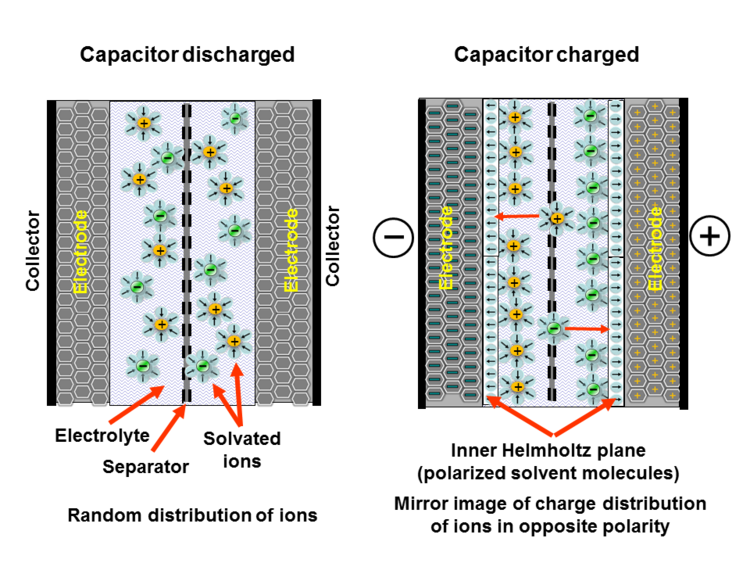
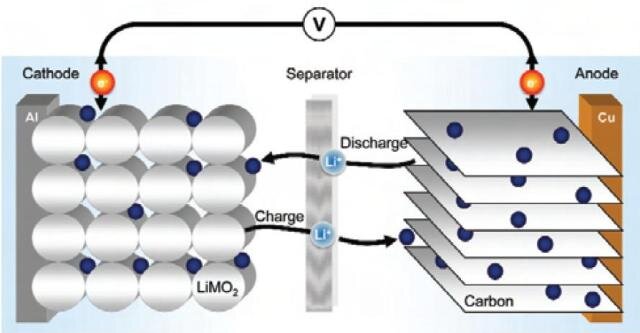
A battery is a chemical cell that stores energy for longer periods. A capacitor stores energy as an electric field and releases it quickly. Batteries provide more energy but are sensitive to heat and age. Capacitors tolerate heat better and last longer in harsh car conditions.
Pros and cons of battery dash cam
Battery dash cam pros:
- Longer backup runtime. Many batteries keep a dash cam alive for several minutes.
- Useful for features that need steady power after shutdown, like Wi-Fi live view.
- Familiar technology that is easy to replace.
Battery dash cam cons:
- Battery life drops over months and years.
- Heat in cars degrades batteries fast.
- Old batteries risk swelling or leakage and can damage the camera.

Pros and cons of capacitor dash cam
Capacitor dash cam pros:
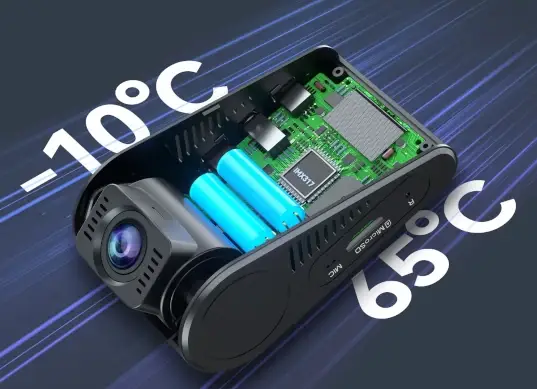
- Excellent heat tolerance and wide temperature range.
- Long service life with little capacity fade over time.
- Safer in extreme heat; less risk of swelling or fire.
Capacitor dash cam cons:
- Very short backup time, usually just enough to finalize files.
- Not ideal if you expect long parking surveillance without an external power source.
- Some users feel capacitors limit advanced features that need sustained power.

Real-world performance and reliability
In my experience, capacitor units survive hotter summers and longer use without service. I saw batteries fail in closed cars after two hot seasons. Capacitor models still recorded clean shutdown clips years later. If you park outdoors in heat or keep a car unused for weeks, a capacitor dash cam performs more reliably.

Installation, maintenance, and best practices
Install with a hardwire kit if you want parking mode. For battery dash cam models, check battery condition yearly. For capacitor models, verify firmware updates to improve parking features. Avoid placing any dash cam in direct sun when possible to reduce stress on internal parts.
How to choose: which is right for you
Consider these questions:
- Do you live in a hot climate? Choose capacitor for heat resilience.
- Do you need long parking recording without hardwiring? Battery may be better.
- Do you value longevity and low maintenance? Capacitor usually wins.
- Do you want features that need longer power after shutdown? Battery can support that.
Also compare warranty, brand reputation, and user reviews when picking between battery vs capacitor dash cam models.
Cost, lifespan, and warranty
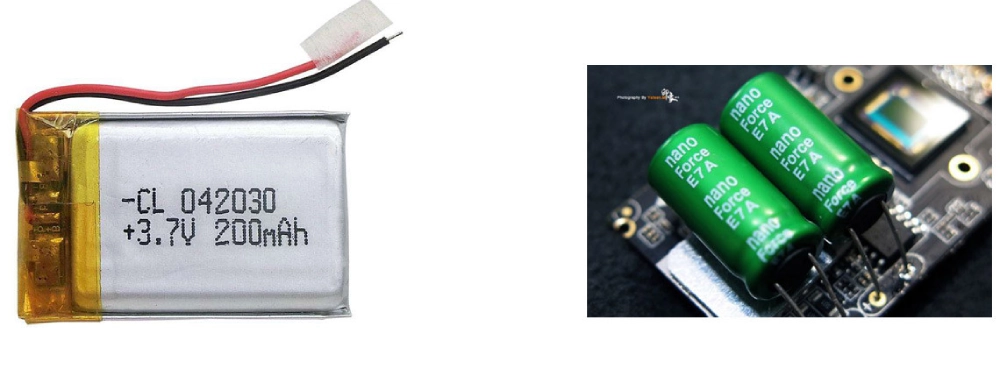
Batteries add to replacement costs over time. Capacitors often cost a bit more up front but avoid replacement. Typical battery-backed dash cams may need battery service in 2–4 years. Capacitor units can last much longer and often have similar or better warranty terms. Factor total cost of ownership rather than initial price.

Frequently Asked Questions of battery vs capacitor dash cam
What is the main difference between a battery vs capacitor dash cam?
The main difference is energy storage type: batteries store chemical energy and last longer, while capacitors store electric charge and release it quickly.
Which one handles heat better, battery vs capacitor dash cam?
A capacitor handles heat better. Capacitors are less affected by high temperatures and have lower failure risk in hot cars.
Can a capacitor dash cam power parking mode for hours?
No. A capacitor provides only seconds to a minute of backup. For hours of parking mode, hardwiring to the car battery or using a separate power pack is needed.
Do batteries need replacement in dash cams?
Yes. Batteries age with heat and charge cycles and often need replacement or service after a few years.
Is a battery or capacitor dash cam safer?
Capacitors are generally safer in hot environments because they do not swell or leak like batteries can.
Conclusion
Choosing between a battery vs capacitor dash cam comes down to your climate, parking needs, and appetite for maintenance. If you want durability and low upkeep in hot weather, pick a capacitor model. If you need longer post-shutdown runtime and don’t mind periodic checks, a battery-backed dash cam can work well. Test models, read warranties, and consider hardwiring if you need extended parking recording. Share your needs in the comments or subscribe for more gear guides and real-world tips.


